


What’s really in your food?
Nutrition facts for 143 foods and the nutrients in them
NutriScrolls answers it with numbers: what a food contains, how much of your day it covers, how it compares, and where each number comes from.
Scroll to see how01 · Take one food
69 nutrients in 1 oz of chia seeds.
Every food page lists what is in it, per cup, ounce or 100 g, from protein and fiber down to trace minerals.

- 9.75 gfiber · 35% of the Daily Valueno Reference Intake set
- 5.05 gomega-3 fatty acids · no Daily Value setno Reference Intake set
- 244 mgphosphorus · 20% of the Daily Value35% of the Reference Intake
- 95 mgmagnesium · 23% of the Daily Value25% of the Reference Intake
- 179 mgcalcium · 14% of the Daily Value22% of the Reference Intake
- 4.69 gprotein · 9% of the Daily Value9% of the Reference Intake
02 · Measure it against your day
See how much of your day it covers.
Each amount sits next to the Daily Value. 9.75 g of fiber is 35% of what you need in a day.Each amount sits next to the Reference Intake.
Chia seeds, 1 oz (28 g), % Daily ValueChia seeds, 1 oz (28 g), % Reference Intake
03 · Compare it with the rest
Then see which foods give the most.
45 rankings put every food side by side for one nutrient, per serving or per 100 g.


04 · Trace every number
And check where every number comes from.
Each value links to the database or study behind it, so you can check it yourself.
- nutrient values
- 13,455
- nutrients tracked
- 145
- foods
- 143
- USDA FoodData Central
- DTU Frida
- Peer-reviewed studies
Browse by nutrient type
Seven sections. Each lists its nutrients, what they do, how much you need and the foods that supply them.
Food
Nutrition facts per serving and per 100 g for vegetables, fruits, nuts, grains, fish and more.
Vitamins
What each vitamin does, how much you need and where to get it.
Minerals
Calcium, iron, magnesium and the trace minerals, with food sources.
Carbohydrates
Sugars, starch and fiber, down to the fiber types and what each does.
Fats
Saturated, mono- and polyunsaturated and trans fats, and the fatty acids in them.
Proteins
How much protein you need, the amino acids in it and the foods richest in it.
Phytonutrients
Flavonoids, carotenoids and other plant compounds, with the evidence.
Top foods for every nutrient
Foods ranked per serving (a cup, an ounce or a piece) or per 100 g, with % Daily Value.Foods ranked per serving (a cup, an ounce or a piece) or per 100 g, with % Reference Intake.
Carbohydrates
Foods high in fiber
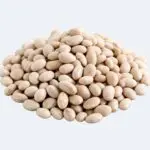
#1 Navy beansper 1 cup (182 g)
19.1 g68% DVno RI set
Full ranking
Protein
Foods high in protein
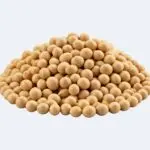
#1 Soybeansper 1 cup (172 g)
31.3 g63% DV63% RI
Full ranking
Mineral
Foods high in magnesium
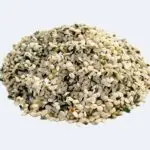
#1 Hemp seedsper 3 tbsp (30 g)
210 mg50% DV56% RI
Full ranking
Mineral
Foods high in iron
#1 Soybeansper 1 cup (172 g)
8.84 mg49% DV63% RI
Full ranking
Vitamin
Foods high in vitamin C
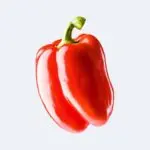
#1 Bell peppersper 1 medium (119 g)
152 mg169% DV190% RI
Full ranking
Fats
Foods high in omega-3 fatty acids
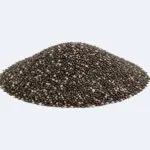
#1 Chia seedsper 1 oz (28 g)
5.05 gno DV setno RI set
Full ranking
Chips show % Daily Value per 100 g for the two nutrients each food is richest in (FDA values; the region setting switches to EU Reference Intakes).
Chips show % Reference Intake per 100 g for the two nutrients each food is richest in (EU values; the region setting switches to FDA Daily Values).
Latest from the blog
-
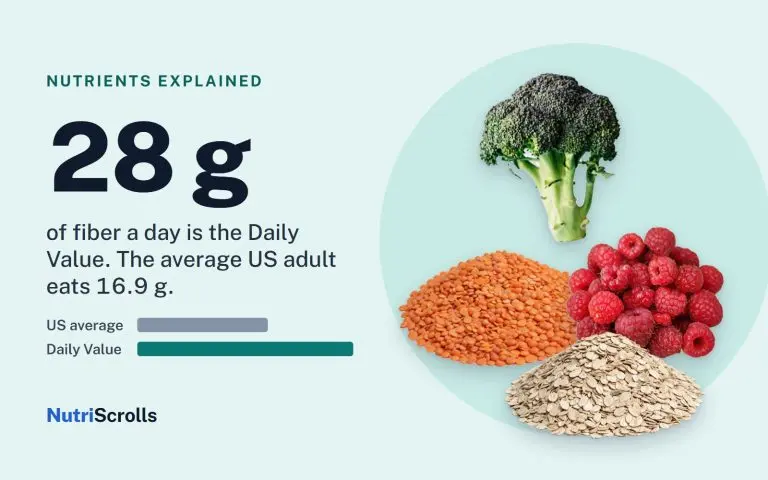
Fibermaxxing: is TikTok finally right about something?
Most adults eat well under the fiber they need, so the trend has a point. Here is what 25 to 29 grams a day…
-
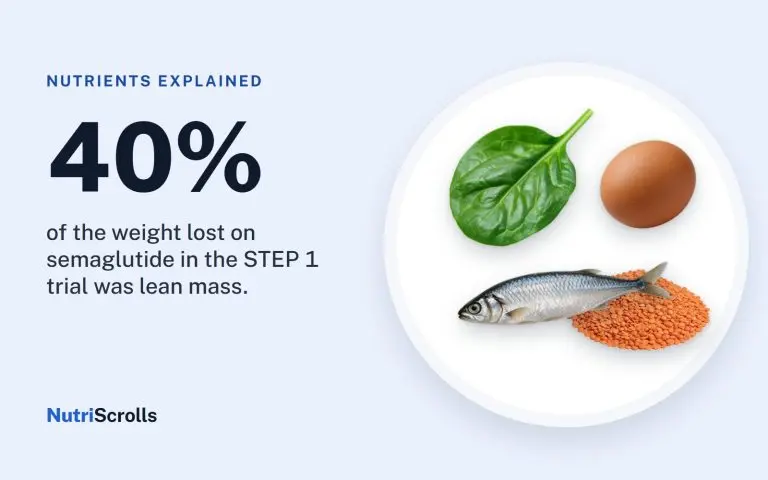
Eating on GLP-1 medications: protect your muscle and nutrients
In trials, a quarter to two fifths of the weight lost on GLP-1 medicines was lean mass. Here is what studies say about protein,…
-
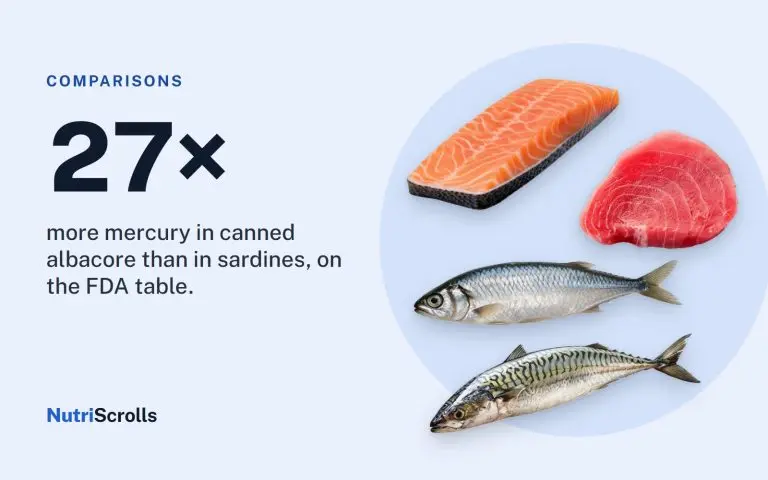
Salmon, sardines or tuna: omega-3 against mercury
Salmon and sardines lead on omega-3 and sit low on mercury, while tuna depends on the kind in the can. Here are the numbers…


How we source our data
Every number on NutriScrolls links to its source. We do not sell supplements. Drafts are AI-assisted and fact-checked by a human editor before they go live.
Nutrient values
USDA FoodData Central and the USDA Flavonoid Database.
Reference intakes
NASEM Dietary Reference Intakes and EFSA Dietary Reference Values.
% Daily Value
% Reference Intake
FDA Daily Values, or EU Reference Intakes if you switch region in the settings menu.
EU Reference Intakes, or FDA Daily Values if you switch region in the settings menu.
Health claims
Cited studies with an evidence grade, checked by an editor.